

What to Look For in Headphones Wireless
A pair of wireless headphones gives you a wide range of motion without being tied to your audio source. If you're looking to move during a call or feel anxious when working from home, wireless headphones are an excellent choice.
Bits are the basic building elements of computer language and are represented in a series of with either 0s or 1s. Digital signals are sent to your headphones via Bluetooth which is a wireless radio transmission technology.
Noise-Canceling
Noise-canceling headphones can help concentrate in a noisy workplace or get some rest on a train or plane ride and listen to your music with peace. These headphones are more expensive and need active noise cancellation that utilizes electronic circuitry that digitally mixes the sound in an inverted way to decrease your perception. This requires more power, which is why the headphones usually have a battery that has to be replaced or recharged frequently. The addition of electronics can add to the weight and size of the headphones, too.
The majority of manufacturers today offer noise-canceling headphones that are wireless and Bluetooth-connected which is a natural fit considering how popular these features are with audiophiles. Wired ANC models are also available, but they are not as popular. Bluetooth headsets typically come with touchscreen controls and voice-based integration with Siri, Google Assistant, and Alexa. They also provide high-resolution audio codes to enhance your listening experience.
In-ear or over-ear ANC headphones are available in a variety of styles, ranging from lightweight and elegant, to luxurious and elegant. best budget wireless headphones can also get sports-friendly earbuds that are sweatproof and designed to stay in place during vigorous workouts.
The sound quality of headphones is determined by its drivers, microphones and speakers. They should be able to deliver clear vocals while canceling background noise. The best noise-cancelling headphones offer excellent sound reproduction which allows you to listen to music as if it were playing in the concert hall.
There's also many additional features that are standard on modern headphones with the ability to switch between different ANC modes, as well as a transparency mode that lets you listen to the sound of your surroundings for a brief period. Some noise-canceling headphones let you to adjust the volume, and also offer the option of hands-free phone calls.
Most ANC headphones have lithium-ion batteries that must be replaced or recharged regularly However, some wireless headphones have built-in charging and can go for hours without needing to be recharged. The monoprice BT-600ANC over-ear headphones, for example, come with a case that holds several charges and provides rapid charging, allowing you to be back on the road in minutes.
Comfort
When it comes to headphones, comfort is paramount. If they are uncomfortable for long listening sessions isn't a good reason of having them in the first place. Look for headbands that are adjustable ear cups and cups that are cushioned to allow you to comfortably wear them over your ears.
Some models have touch controls on the earcups, making it easier to control phone calls and music. Certain headphones include an app that lets you modify the EQ settings based on your hearing. Some headphones feature active noise cancellation, and some include a built-in microphone for hands-free calls. This is a must for frequent travelers.
Many wireless headphones have a detachable cable that can be used to secure them on your neck or head when you're not using them. You can also use the cable to connect your headphones to an audio receiver or another device like a computer. Be aware that headphones with cords that can be detached can wear out faster than those with no cords. Test out wireless headphones prior to buying them to ensure they are comfortable.
The earbuds with wires are more likely to fall out of your ear during exercise and have a shorter battery life. In addition, their cables may get caught on your clothing and skin, creating irritating noise from the cable (also called microphonics). Wireless earbuds made by V-Moda S-80 avoid these problems with snug ear cups which stay in place even during sweaty workouts. The audio quality is top-notch, too.
One of the most important features of wireless headphones is the ability to charge on the go, which saves you time and money. Some models have quick charge technology that can top the headset to full capacity in just two hours, so you can listen to music and movies when you're on the go.
The Sony WH1000XM5 are one of the most comfortable and acoustic headphones available thanks to an efficient build design that keeps them lightweight and compact. The Sony WH-1000XM5 is considered to be one of the top headphones to take on a trip due to its ANC mode which blocks out background noise.
Design
The design of a headphone is an important factor for the person listening. They are designed to be comfortable and fit comfortably over ears, and feel secure. It is also important that the quality of the sound is excellent. They should have a balanced sound with a strong presence of low frequencies, without distorting them. The headphone's noise cancellation function is likely to work. If they're equipped with a noise-canceling feature, it should effectively reduce the rumble of buses and office chatter, allowing you to concentrate on your music or phone calls.
Some headphones are wired to the audio source. However, most are wireless. They can be connected with a dongle or transmitter that is included in the box or other devices. These wireless transmitters are made to integrate the audio signal into a single-frequency carrier wave and transmit it in the radio frequency or infrared range. Wireless receivers recognize single-frequency carrier waves and convert them back to analog audio signals that are used to drive the headphones' speakers.
Wireless headphones typically come with buttons that control call and playback functions. They also have an integrated microphone, allowing for hands-free calling using phones. Some wireless headsets feature a small portable charging case they can fold and slide into when they are not in use.
One of the advantages of wireless headphones is the ability to move away from the source of your audio up to 15 meters (49 ft) without losing the connection. This lets you listen to music while you commute or in the office, as well as when exercising or listening to music at home.
Bluetooth is the most popular wireless headphone technology. It has improved over the years, but it's not as good as wired connections. Other wireless headphone connections like RF or USB can support higher bit-rates and offer higher-quality audio. However they require a cable connecting the headphones to their audio source, and are not as convenient as Bluetooth headphones that can connect to the mobile device.
Connectivity
Wireless headphones allow you to listen to music or watch TV without tying up your cords. They use a small radio receiver and transmitter to connect to your audio device and give you hands-free control over your media. Some models have noise cancellation or active noise reduction technologies built in to block out background noise. The devices are portable and often used by people who do many different things, they are designed to be portable. They can be used to run, exercise in the gym, watching TV while in bed without disturbing anyone and many more.
Bluetooth headphones work by sending an audio signal to a small radio receiver inside your headphones. This radio receiver is responsible for converting digital bits into an analog signal that is received by the headphones' speaker drivers. This analog signal is used to create sound. Wireless headphones are a form of active component that requires a power source to allow their internal hardware to function. Wired headphones, on the other side, are passive components that allow the speaker to drive up to the audio source.
Wireless headphones transmit audio signals via radio waves or infrared. These electromagnetic waves are a form of vibration that transmits energy from one place to another. These vibrations can cause oscillations of electric and magnetic fields that carry information from one location to another. Radio waves are a type of electromagnetic waves that can travel through virtually any medium, including air and water.
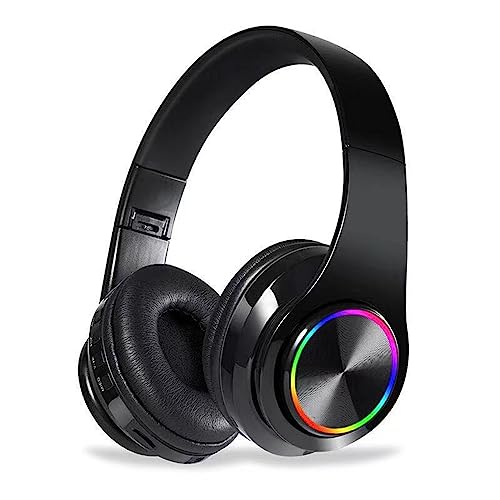
Wireless transmitters are a crucial element of any model of headphones. This transmitter is responsible for embedding the audio signal into a wireless format that can be transferred to a compatible headphone receiver. Wireless headphone transmitters can be standalone devices that connect directly to an audio source or they can be built into audio devices advertised as wireless.
The quality of the sound you hear with wireless headphones is contingent on how well the receiver and transmitter are tuned. Some manufacturers include a dedicated audio codec inside their headphones to ensure high-quality sound. Sony's LDAC allows headphones to transmit audio three times the speed of conventional Bluetooth. This produces more detailed and clear sound.